When silence speaks volumes: Why brands can’t afford to stay quiet on Jan 26 anymore
“We don’t get ‘political’.”
“It’s not our place to say anything.”
“Let’s just stay out of it.”
Heard one of these phrases in your workplace? Perhaps you’ve even said it yourself. Well, we’ve got bad news for you (and your boss): silence isn’t the safe, neutral position you think it is.
Silence is its own kind of statement, and an increasingly loud one, that continues to do real harm to First Nations people, erode your brand trust and damage your reputation.
From overcoming the shackles of perfectionism to one very compelling stat on the cost of staying silent, here’s how businesses and organisations can be brave and take a stand this Jan 26.
Reasons brands don’t speak up (even if they want to)
Turns out there are so.many.reasons why brands keep their mouths firmly shut when it comes to taking a stand on social issues and causes. And honestly? Relatable.
Many of them are rooted in emotions us humans are hard-wired to avoid at all costs: fear, uncertainty, vulnerability, standing out.
But unless we call them out for what they are, and understand how they dictate our behaviour and prevent us from progressing as a society, we’ll never be able to move past them. And that’s a big problem for anyone claiming to be purpose-led or values-driven.
Here are the biggies:
Fear →
Fear of backlash. Fear of losing customers. Fear of being ‘cancelled’. Fear of saying the wrong thing and setting off a digital dumpster fire. Fear of alienating people in your community, or attracting a tonne of trolls to your social channels.
Perfectionism →
You want the perfect statement, the perfect wording, the perfect level of lived experience. Many workplaces have inherited the belief that “silence is more professional” or “we’re better off to say nothing than the wrong thing”.
Bureaucracy →
Red tape, legalities and compliance handbrakes that mean statements get so watered down they lose meaning and relevance. Maybe you can’t get internal consensus and the topic turns into a political ‘hot potato’ and thrown in the ‘too-hard basket’. So instead of wrestling their way through, they withdraw.
Performative-anxiety →
They don’t feel like they’re really ‘doing the work’ and they don’t want to be performative, or worse… be accused of greenwashing, pinkwashing, purpose-washing or any other shade of washing. So instead of speaking authentically about where they’re at (including what’s imperfect), they tap out entirely and hope no one will notice.
Risk-aversion →
There’s worry that taking a stand will jeopardise partnerships, upset investors, or distract from core business. The irony is that silence also carries strategic risk, we just don’t talk about it as loudly.
Lack of clarity →
This one is quietly devastating. Many brands avoid speaking up because they don’t actually know who they are, what they believe, or what they want to be accountable to. They’re not sure if they should take a stand on this issue, every issue, or how to pick and choose without spreading themselves too thin.
Lack of time →
The daily struggle to stay afloat in business is real. Many brands feel their priority must be profitability above all else, convincing themselves they don’t have time to engage with social issues, or seeing them as a distraction from making money. This is your reminder that purpose and profit are not mutually exclusive. One feeds the other, and even the smallest actions, like a reshare, can speak volumes.
Not having all the answers →
Many organisations think speaking up requires having all the answers. That you have to dot every i, cross every t, and have an ‘A’ for every single ‘Q’. Spoiler: you don’t.
“Speaking up isn’t about having the tidiest script or the most polished stance. It’s about showing your community that your values are lived, not conditional or based on convenience. It’s also about choosing moments that matter and showing up imperfectly.”
— Erin Morris, Managing Director, Young Folks
The increasing costs of staying silent
We hate to break it to ya, but if you’re doing business in this day and age, you are expected to take a stand on issues that matter. And that’s not us talking, that’s what the data says.
According to a special report on brand trust, in these polarising and politically charged times, staying silent on certain issues could make a brand’s position worse.
Indeed, if a brand ignores its obligation to act, most people will assume the worst: that you’re complicit, or you’re hiding something. That’s right. More than half of people (53%) take your silence as a bad thing.

With that lens, the potential fallout of staying silent goes beyond a moral question, to one with business risks too. Because not only do customers lose trust when companies hide behind the language of neutrality, but a lack of trust is increasingly becoming a business’ kryptonite; you can’t survive without it.
“The landscape has changed, and so has what people expect from brands. Our data shows that trust isn’t won with purpose statements – it’s earned through relevance, responsiveness, and relentless clarity of action. To be a trusted brand today is to have purpose beyond profit and to authentically show up in culture and community.”
— 2025 Edelman Trust Barometer: Special Report - Brand Trust, From We to Me
Most businesses aren’t staying silent because they don’t care, especially if they’re a Certified B Corp, social enterprise or purpose-driven organisation. They’re staying silent because it feels safer. Maybe it feels easier. And it definitely feels like the path of least resistance, even if it contradicts everything they say they stand for.
But what we know is that silence has a cost too, and a pretty steep cultural, commercial, relational, and reputational one at that. And so, in that way, speaking up becomes less of a ‘risky choice’ and more an example of brave leadership in action.
It’s what values look like when they’re in motion, not laminated on a wall. Inching closer to getting out the megaphone and wondering ‘what now’? We got you.
“If you’re saying you’re values-led, people will look to see what those values look like in action. Speaking up isn’t about being perfect, it’s about being accountable. Start where you are. Start small. Start imperfectly. But start.”
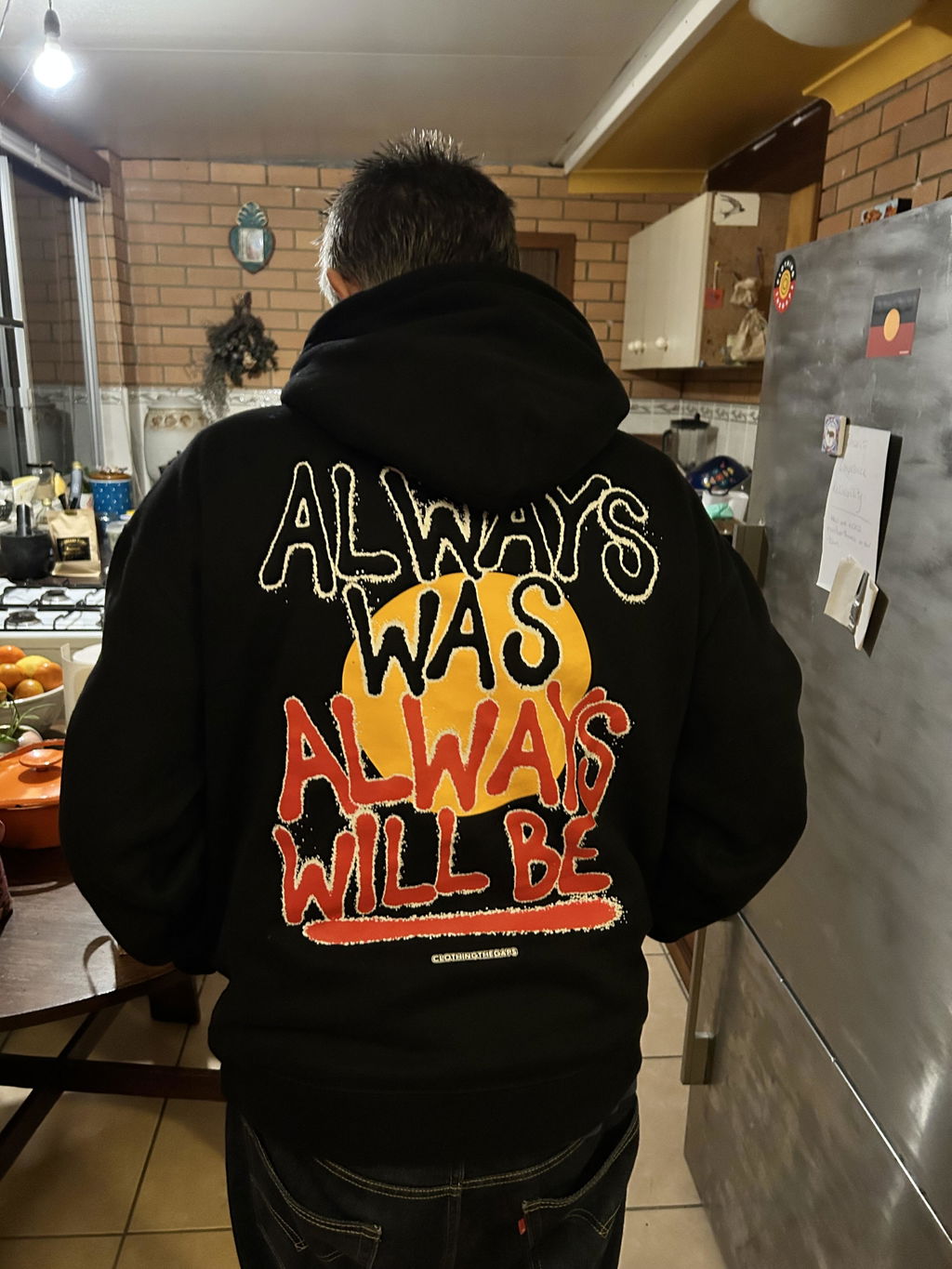
— Laura Thompson (Gunditjmara), Clothing The Gaps Co-founder and CEO
Turn your values into meaningful action
Real leadership isn’t measured by how loud you shout your values when everyone agrees with you. It’s how firmly you hold them when people don’t. And it takes practice.
If you’re looking for a way to turn your values into action, jumping on board Clothing The Gaps’ Not A Date To Celebrate campaign is one way to model that leadership.
The Not A Date To Celebrate petition already has more than 76,000 supporters and counting, so you’re in good company.
Three ways to get your business or organisation involved:
🖤 Sign up your workplace to the campaign and join over 150 businesses and organisations who have already signed on as supporters.
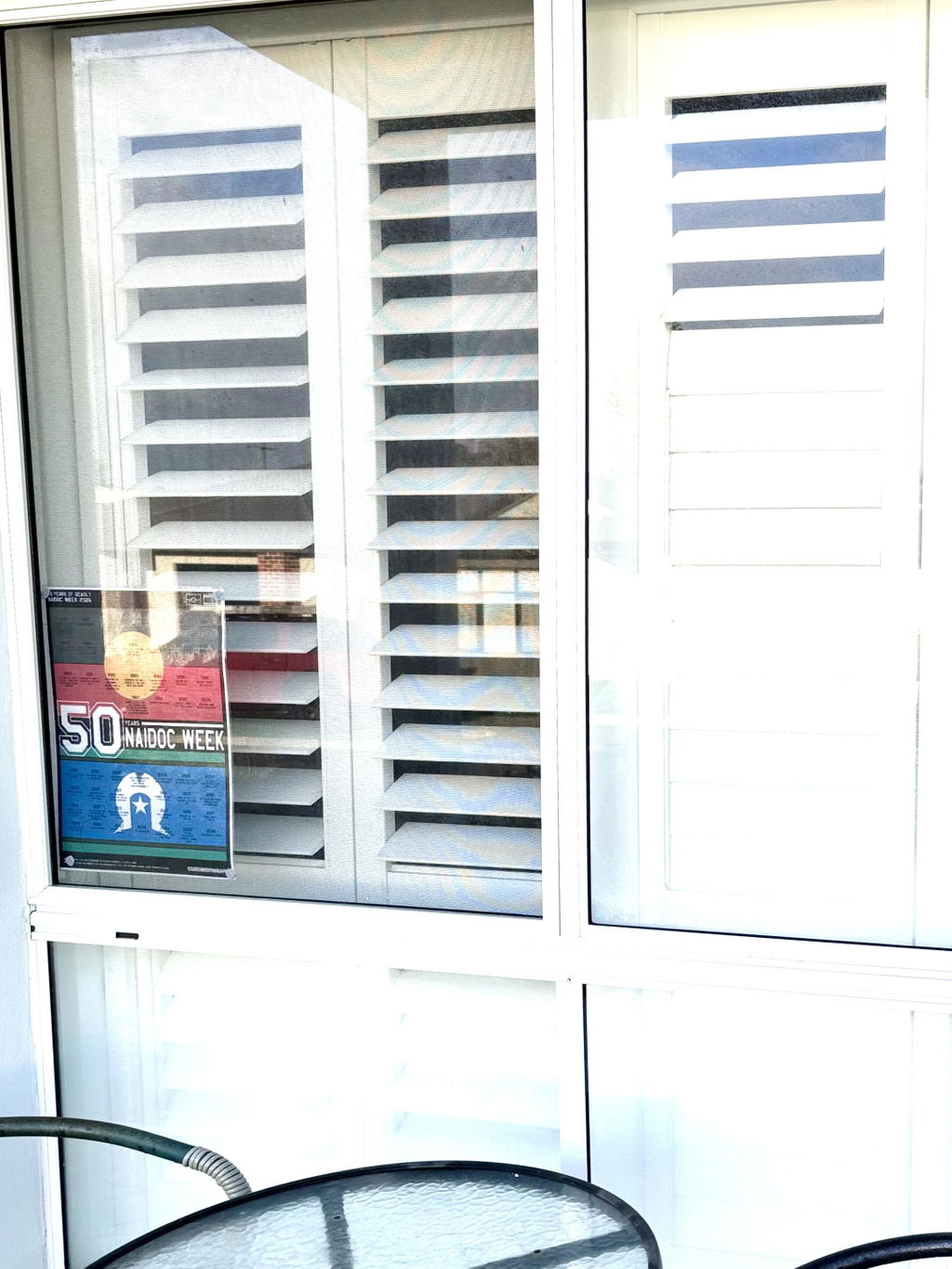
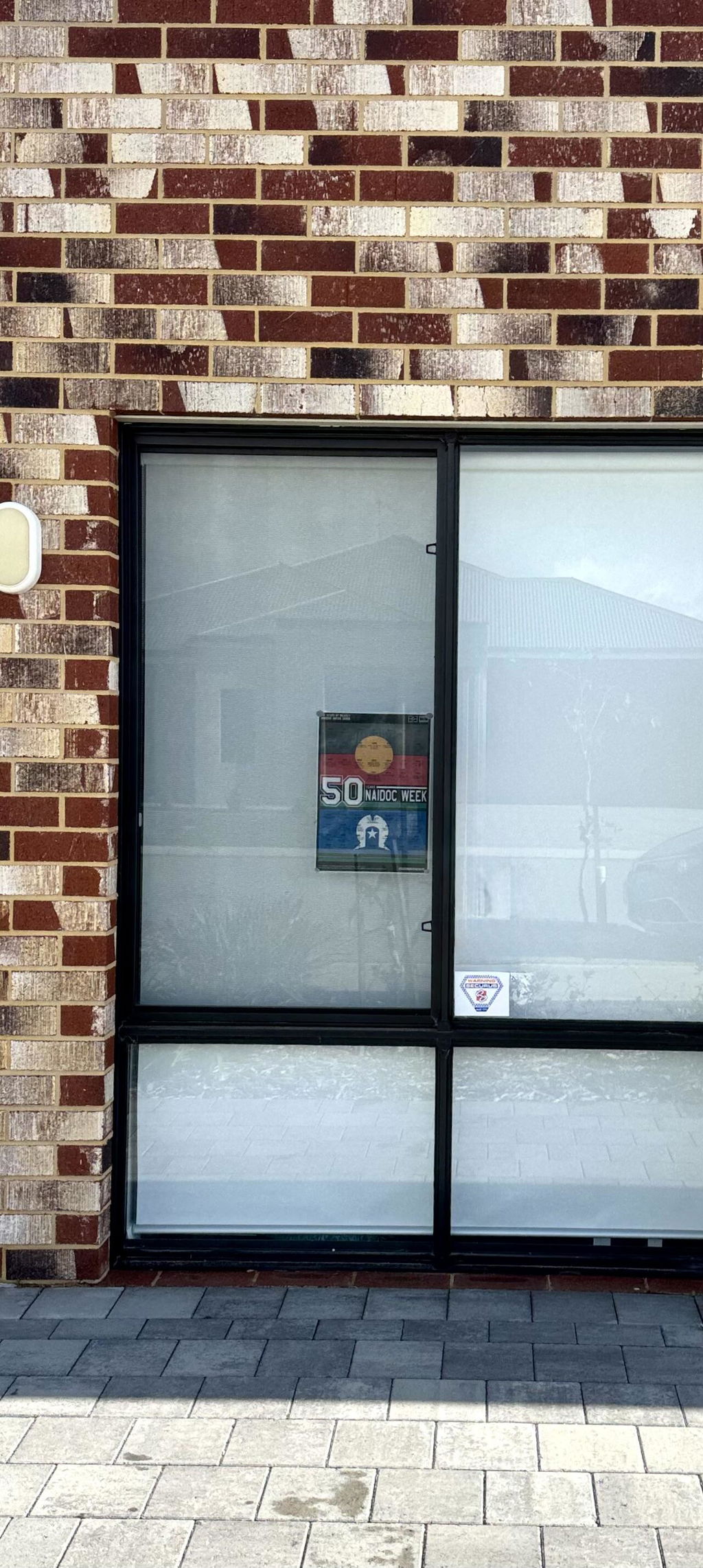
💛 Display the free Not A Date To Celebrate poster in your workplace, profile pics or shopfronts.
❤️ Sign and share the national petition urging the Prime Minister to move away from January 26 as a national holiday.
Make Jan 26, ‘26 a day where you choose not to just “stay out of politics” (not possible) or hand your power over by saying nothing at all.
Make it the moment where you stepped into purpose and integrity, and truly showed up for First Nations people when it mattered.
Because silence is not safety, neutrality is not truth, and progress doesn’t happen without courage.